From Terra to Leo
Fantasian: Neo Dimension as the culmination of decades of JRPG storytelling
by Jesse Boruff
This article originally ran in Back Alley Games Issue 12, February 2025
It’s 1994. A gray cartridge stands proudly in your SNES’s slot. You boot it up and are met with the thuds of metal on metal as three hulking robotic monstrosities are marching through what seems like an endless tundra, piloted by two soldiers and a mysterious turquoise-haired woman. You are treated to one of the best tracks in RPG music history as the soldiers tell the girl to get a move on.
This is the opening of Final Fantasy VI (Square, 1994).
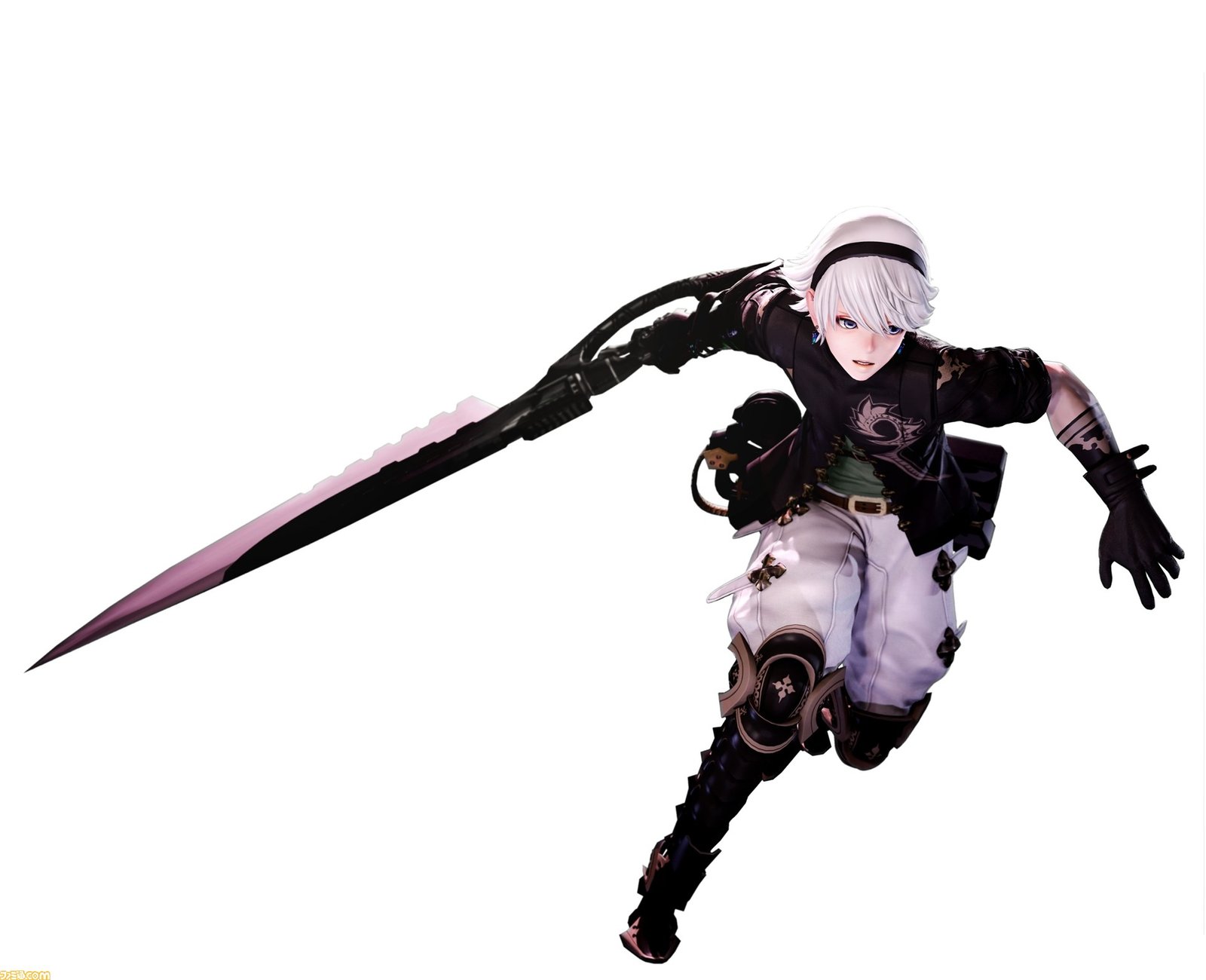
The opening moments of Fantasian: Neo Dimension (Mistwalker, 2024) are similarly striking. Handmade dioramas make up the totality of the setting and the first visible objects are giant orbs with long tentacles spilling out of them. The orbs hang above a massive factory complex and as the camera pans out, the protagonist, a white-haired boy, comes into frame. You are treated to more fantastic JRPG music.
As quickly as he’s shown, he leaves, leaping off the platform to the complex below. Not but moments later do we see an explosion rocking the compound. When the camera catches back up to him, he lays on the ground as two robots look over him. He awakens but remembers nothing but his name: Leo.
While the amnesiac protagonist trope is quite overdone nowadays, it’s kept interesting in Fantasian by sudden flashbacks to experiences Leo had before he lost his memory. If you’ve played Lost Odyssey (Mistwalker, 2007), these segments will be very familiar to you, as the flashbacks are formatted in a similar way in that game.
Hironobu Sakaguchi got the idea for this game after replaying FFVI with its other original devs on a Twitch stream in 2018. So, one can’t help but examine the protagonists of FFVI and Fantasian, Terra and Leo, in relation to one another as a way to demonstrate the way Sakaguchi’s storytelling abilities have evolved.
Both are amnesiacs with hazy recollection of their pasts and are using their presents to do something about it; their worlds are on the brink of doom and their pasts are used as a source of intrigue. However, while FFVI tends to use Terra’s amnesia as a narrative crutch and a way to give exposition to the player, none of those instincts are present in the way Mistwalker presents Leo’s story.
Not only is Fantasian a love letter to classic SNES era RPGs, it’s also a celebration of the history of Mistwalker and the two men responsible for Final Fantasy.
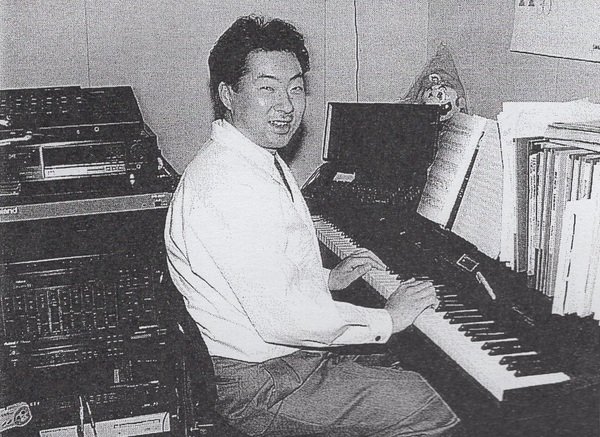
Both Sakaguchi and Nobuo Uematsu have come at this game with full force, taking everything they’ve ever learned about storytelling and video game development from across their long careers and utilizing that knowledge to huge effect. From Blue Dragon (Mistwalker, 2006) to The Last Story (Mistwalker, 2011), the hyper-specific DNA of their games is unmistakable, and they’ve once again hit a home run. The soul of old school Final Fantasy lives
on, you just have to know where to look to find it.