TERROR AT 240p: HAUNTED PS1’S LOW-REZ HORROR
by Jonah white
This article was originally published in Issue 1 of the ICG Zine, March 2024
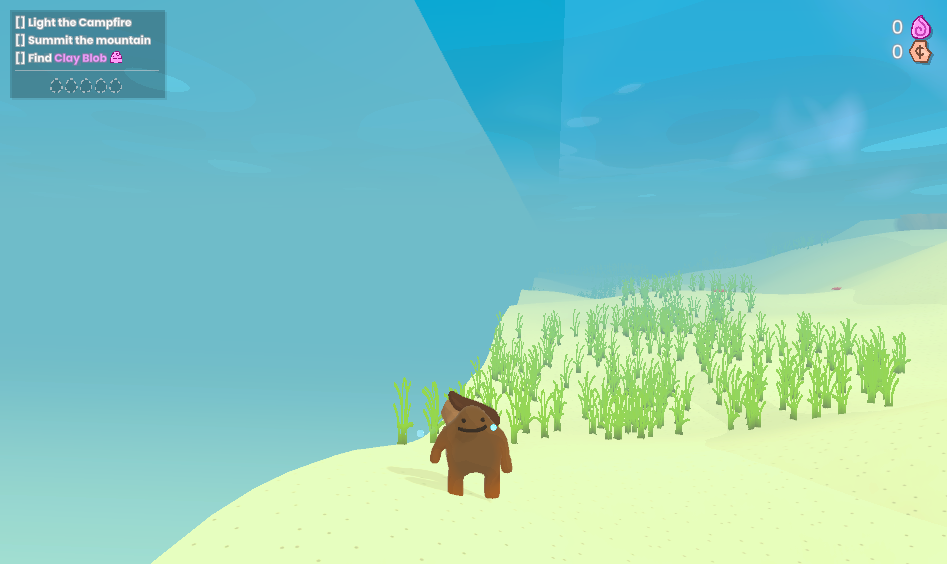
The Haunted PS1 is a group of independent video game developers who specialize in “low-rez horror.” These games draw inspiration from the late 90s, harnessing nostalgia to conjure uncanny, low-resolution horror experiences. In an industry obsessed with cutting-edge graphics, low-rez horror chooses to breathe new life into old genres by embracing their limitations and using them to craft unsettling new experiences. As champions of this unique genre, The Haunted PS1 exemplifies the power of collaboration among indie creators, bringing attention to games that would otherwise be lost to obscurity.
Low-rez horror games aim to capture the look and feel of late ‘90s video games, particularly those designed for consoles such as the PlayStation (PS1) and Nintendo 64 (N64). This era marked a shift from traditional 2D graphics to the early days of 3D modeling. Due to severe hardware limitations, these initial 3D games were often clunky and awkward to play. While some of these titles became beloved classics, others faded into obscurity. Some low-rez horror games pay homage to the horror titles of that era, drawing inspiration from franchises like Resident Evil and Silent Hill and seeking to recapture the experience of playing those games for the first time. Some take it a step further, injecting horror elements into non-horror genres. In these games, nostalgia becomes a tool for warping the familiar into something uncanny, intensifying the sense of horror. Other games embrace the inherent uncanniness of early 3D graphics, using the medium’s limitations as instruments to craft entirely new and unsettling horror experiences.
Uncanniness lies at the heart of low-rez horror. Early 3D games were inherently uncanny. Viewing a character in a PS1 game today feels like observing a marionette with a crudely painted human face — they appear janky, awkward, and sometimes even unnerving. The blurry graphics make it difficult to discern details, even in the most polished model. Many low-rez horror games leverage this quality to construct nightmarish dreamscapes that disconcert the player. By applying new design techniques to older technology, low-rez games not only prove that cutting-edge graphics are not necessary for a compelling experience but also demonstrate that embracing simpler aesthetics can enhance the gameplay experience.
The Haunted PS1 collective burst onto the scene back in 2020 with their Haunted PS1 Demo Disc. This unique piece of software bundled 17 demos for upcoming low-rez horror games into a single installer, made in loving homage to the demo discs distributed through magazines like PlayStation Magazine back in the day. Outside of their shared theme of “low-rez horror,” each game was unique and developed by a different creative team.
Building on this initial success, The Haunted PS1 has continued to unveil new projects, including two more demo discs in 2021 and 2022. They have also released an annual advent calendar titled “Madvent,” featuring 24 Christmas-themed horror games. Additionally, they have experimented with projects such as C.H.A.I.N. and C.H.A.I.N.G.E.D., “exquisite corpse”-style games where every chapter is made by a different developer in their own style. One of their most noteworthy endeavors is EEK3, a playful parody of popular gaming trade show/marketing event E3 (may it rest in peace). While E3 traditionally showcased the latest offerings from the biggest and most popular gaming companies, EEK3 takes a unique spin by shining a spotlight on the often-overlooked world of indie games.
With hundreds of games released every day on platforms such as itch.io and Steam, many games risk slipping through the cracks, discovered by a handful of enthusiasts before being quickly forgotten. The Haunted PS1’s strategy of bundling these niche games under a common banner serves to boost awareness of titles that might otherwise struggle to stand out.
It is a testament to what collaboration can achieve in the indie publishing space.
Low-rez horror games are bursting with creativity, harnessing old techniques to craft experiences that go beyond what was possible in the 90s. While some may find the early 3D graphics a turn-off, it is worth noting that the popularity of retro aesthetics in games like Minecraft, Stardew Valley, and Sonic Mania has already demonstrated that cutting-edge graphics are not a prerequisite for a good game.
Even if low-rez horror games are not for you, The Haunted PS1 serves as a great example of how to market niche products to a broader audience. Countless exceptional games go undiscovered because they struggle to draw attention on their own, despite their quality. The Haunted PS1 solves this problem by gathering many talented developers into one space and presenting them as a larger, more cohesive whole. This not only amplifies visibility but also simplifies the process of discovering new games. Perhaps this model can serve as inspiration to other independent designers, not just in video games but in all creative fields.