A new way to play old music
How cartridge albums add good friction to modern music consumption
by Amelia Zollner
A few weeks ago, I spent the better part of an evening or so putzing around the utility apps on the Nintendo DSi and 2DS I grew up with. Possibly the best thing shared between the two handhelds is the Sound app: an absurd musical playground where a very charming parakeet explains how users can watch visualizers, tinker with voice clips, and turn their favorite songs into nightcore remixes.
I realized that I had installed quite a few songs onto both systems. For the first time in years, I plugged in my headphones and listened. It was like a weird time capsule from a pre-algorithmic era where interactions with music meant something. To put those beloved songs on either system, I had to buy them on iTunes (or download them from a library CD, sorry!), move them onto an SD card, and then put the SD card in my DS. I don’t remember doing those things, but going through all that as a young and not particularly persistent kid must have meant that those songs were really important to me — more important than anything in the Spotify era could be.
But connection with music on that level is still possible. I was reminded of this through a weird, budding microtrend: artists and labels releasing video game cartridge albums.
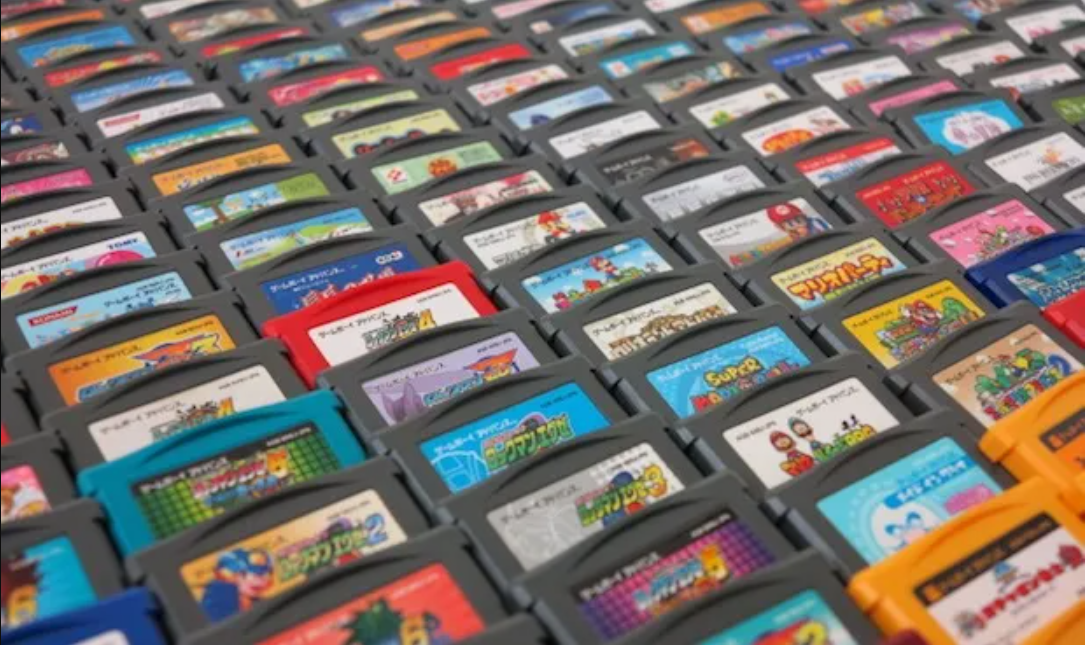
Here’s how they work: you pop in a cartridge to your console (most often a GBA or DS) and load up the program, but instead of a game, it contains an album for you to listen to. Some are pretty bare-bones and only have a tracklist, while others include additional features like lyrics, custom animations, and even music videos. Almost all of them, however, are packaged in a case that either riffs on or parodies official releases from the target console.
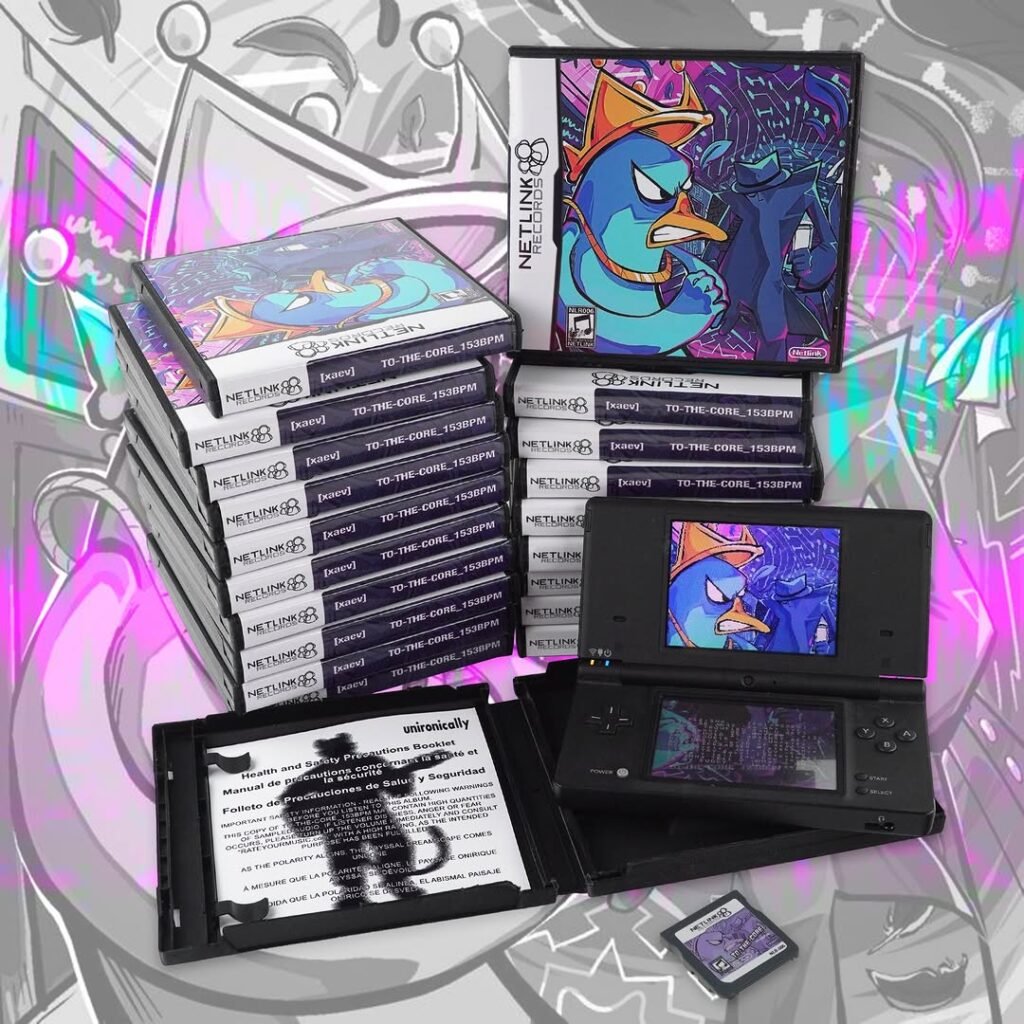
Cartridge albums have been around for a long time, but I’ve grown especially fond of them recently thanks to Netlink Records, a relatively new label that just began its foray into the world of DS releases this year. Netlink’s latest release was a limited run of dariacore artist xaev’s incredible album TO-THE-CORE_153BPM. The album is probably the best possible fit for a DS release: it’s packed with a frenetic barrage of samples from console menus as well as games like Sonic CD, Undertale, and Overwatch. Its limited run, of course, sold out before I could grab a copy.
But beyond Netlink, there’s an entire underground world of cartridge releases. These mostly come from the electronic music scene, which has proven to be a natural fit for cartridges. In more recent years, however, bands from other genres have bravely ventured into the practice. Regardless of their genre, though, the growing trend of cartridge albums stands as a reminder of the importance of intentionally listening to music.
A Brief Trip to Cartridge City
Possibly the most endearing cartridge releases are firmly rooted in video games. The Chicago-based c h point, an artist who also makes some really good midwest emo, has released quite a few cover albums made with video game soundfonts. There’s an American Football cover album sung by Animal Crossing’s K.K. Slider, two RuneScape cover albums, and a Stardew Valley-inspired Pinegrove cover album (that was even released as a mod for the game), to name a few.
My personal favorite is Alex GBA, a chiptune cover album of Alex G songs made exclusively with GBA soundfonts. I was lucky enough to end up with a GBA cartridge copy complete with its own Pokémon Emerald-inspired case, and it’s been on display in my apartment ever since.
There are quite a few other neat cartridge albums that are less thematically bound to their release format, too. Pop band Sherry CD-ROM has put out two really charming GBA albums: Demo Disc and Beach Episode, the latter of which also received a DS release. A recent post by the band’s lead hints that there might be a Sherry CD-ROM N64 port on its way, too.
The cartridge album market has notably been pretty saturated with vaporwave, largely thanks to OasisLtd., a label that’s been on hiatus for a while. Before it went on hiatus, the label frequently released albums for the GBA, the PS2, and even the Dreamcast. Most impressively, however, OasisLtd. occasionally bundled entire custom consoles with with their albums. These were hydro-dipped to match the album covers, which is kind of ridiculous: you could literally order a Liminal Cove by Be Careful-themed custom GBA system along with its album cartridge.
In more recent years, artists from outside the electronic scene have branched out into the weird underground of cartridge releases. c h point’s Alex GBA was made possible by Gizzmoix, a German label that’s put out a handful of DS cartridge releases, including a King Gizzard & the Lizard Wizard album as well as several screamo and emo projects.
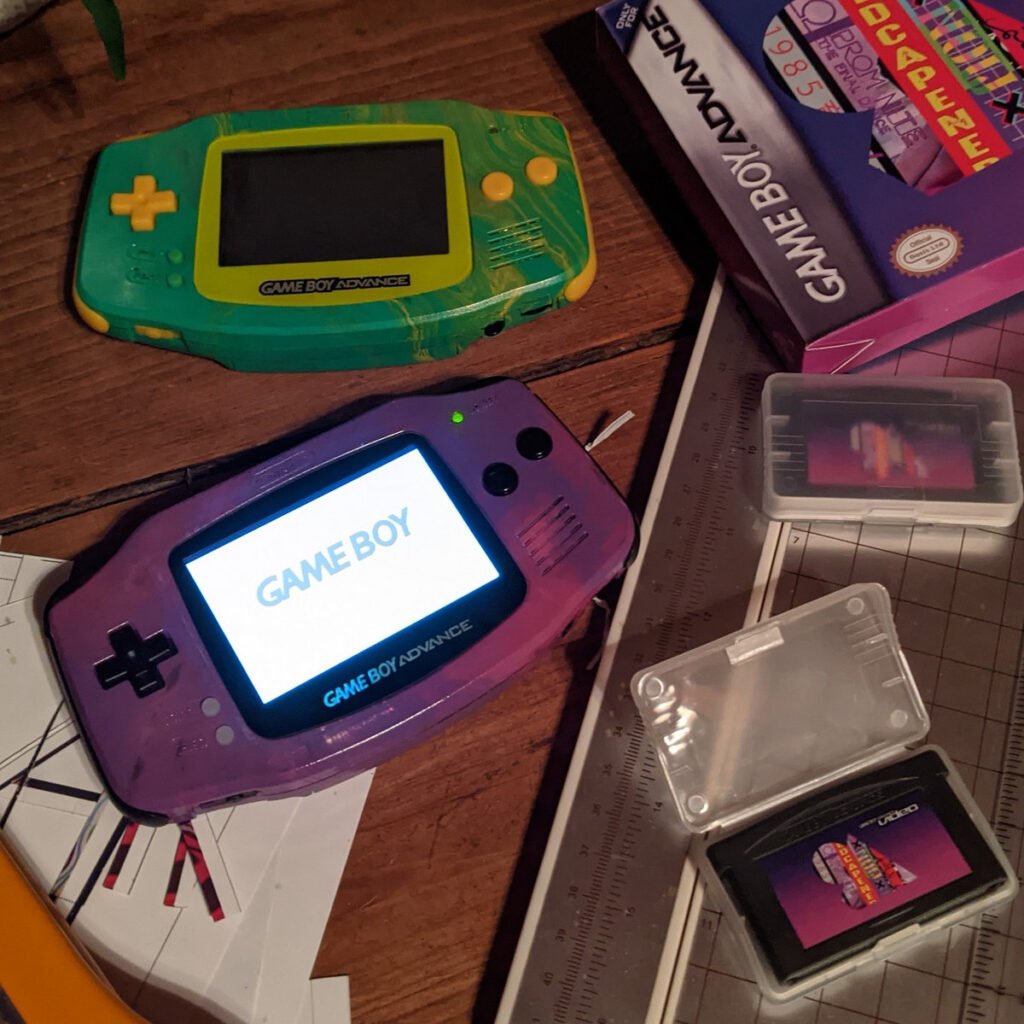
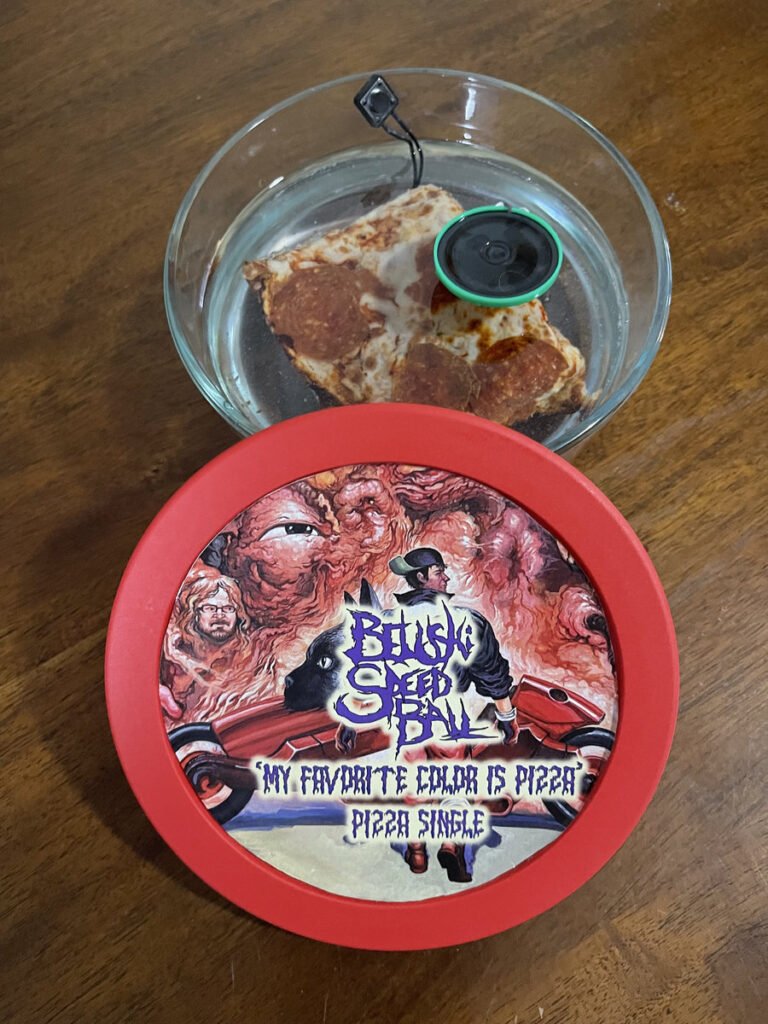
There’s also apparently quite a few cartridge releases happening in the metal scene. I’m not a big metal person, but it is pretty cool that the gimmicky metal band Party Cannon is releasing their upcoming album Subjected To A Partying on N64, seemingly following in the footsteps of fellow metal band Belushi Speed Ball’s releases on the N64 as well as the GBA, SNES, and Sega CD. (Belushi Speed Ball has also released an album on pizza by sealing a slice in resin and attaching a speaker with a play button to it. That’s obviously not a console, but it feels impossible to not mention.)
But nobody has been more committed to experimenting with cartridge releases than Remute, a German techno DJ who’s seemingly the god of weird music release formats. After he released an album on a floppy disk to widespread publicity, he began what I’m assuming is some twisted mission to release albums on every possible console, computer, and OS: the Commodore C64, the Sega Dreamcast, MS-DOS, and the Atari Jaguar, to name a few.
Okay, So How The Hell Does This Work?
It’s admittedly hard to trace the history of physical album releases for game consoles, but it seems like the cartridge album scene kicked off in the late 2010s, likely coinciding with the availability of easier modding tools. It’s still gaining steam now, and it seems like artists are finding it especially easy to release albums on DS cartridges after Nintendo finally moved on to a new generation of consoles and stopped policing the DS piracy and modding scenes so heavily.
There’s a different process for every console. DS releases, arguably the most common, are most often made with flashcarts and custom ROMs. Netlink’s FAQ amusingly notes that its albums will appear as Deep Labyrinth, a game notorious for its role in the homebrew scene, and that “this cannot be changed sadly.”
Some of these albums just appear as bare-bones tracklists similar to the UI you’d see on an early iPod. In cases of more modding-oriented artists like Remute, they’re bound to the constraints of the cartridge. Remute’s SNES album The Cult Of Remute, for example, uses the system’s sound chip itself to generate the music in real time. In an interview with Bandcamp, the artist described his process as “more like coding than making music.”
With newer consoles, artists have more freedom to have fun with the visuals. Sherry CD-ROM’s GBA release of Beach Episode, for example, features lyrics for all its songs and even a music video. But regardless of how elaborate these releases are, it’s always really endearing to see an album played somewhere where it isn’t supposed to be.
Good friction
I’ve been thinking a lot about the principle of good friction, or the idea of making things intentionally inconvenient to slow users down and allow them to engage meaningfully. This is something I’ve tried to incorporate in my life more this year. I even got a Brick, one of those pricy little squares that you have to actually walk to and tap your phone on before unlocking social media, to put some artificially positive friction between myself and social media.
Now that social media is on its way out, there is maybe no process in my life less frictionless than the way I engage with music. As someone who was consistently a member of the 120,000+ Minutes on Spotify Wrapped Club, I found myself listening to music so often that it lost meaning.
And the fact that Spotify’s UI is genuinely designed to eliminate any and all friction through algorithmic curation certainly doesn’t help. Every time I open it, I’m encouraged to listen to one of several automatically generated mixes (or that horrible AI DJ) based on my listening habits. Clicking on one of those mixes means I’m missing out on more intentional modes of engagement with music: flipping through a crate of records to decide what put on, tuning into a radio station at 1 p.m. to hear my favorite DJ, or curating and downloading a playlist on an iPod to take on a long walk.
It’s no coincidence that these more intentional methods are all associated with the past, by the way. Massive tech companies like Spotify want to eliminate intention in favor of convenience, which leads to more frequent usage and profit.
However, near the end of 2025, there was somewhat of a mass exodus from Spotify. After the platform ran ads for ICE recruitment and its CEO donated millions to an AI military startup, quite a few users ditched the platform entirely.
Obviously, fuck Spotify for the above reasons. But stepping away for these reasons has also become a more personal reminder of the fact that it feels so, so good to listen to music intentionally.
To me, cartridge albums are the perfect antidote to the Spotify problem. I’m not positing them as a complete and total replacement for streaming, obviously. There are way more convenient formats of physical music (team iPod, anyone?) or other, more ethical platforms like Bandcamp, and only a handful of artists have dared to release albums on cartridges so far. But they are the most fun antidote.
There’s just something so goofy about wanting to listen to an album on a console it should not run on. It’s like how everybody wants to run DOOM on fridges and pregnancy tests or whatever. Unlike algorithms, humans are relentlessly curious about breaking the rules. Can we run an album on the Wii? How many years away from the first Nintendo Switch album are we? And when is someone going to finally let me play a sad indie folk album on the DS?
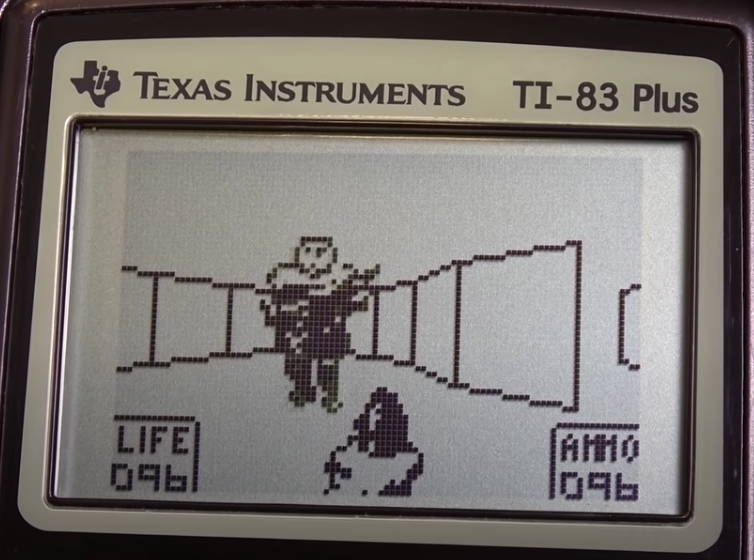
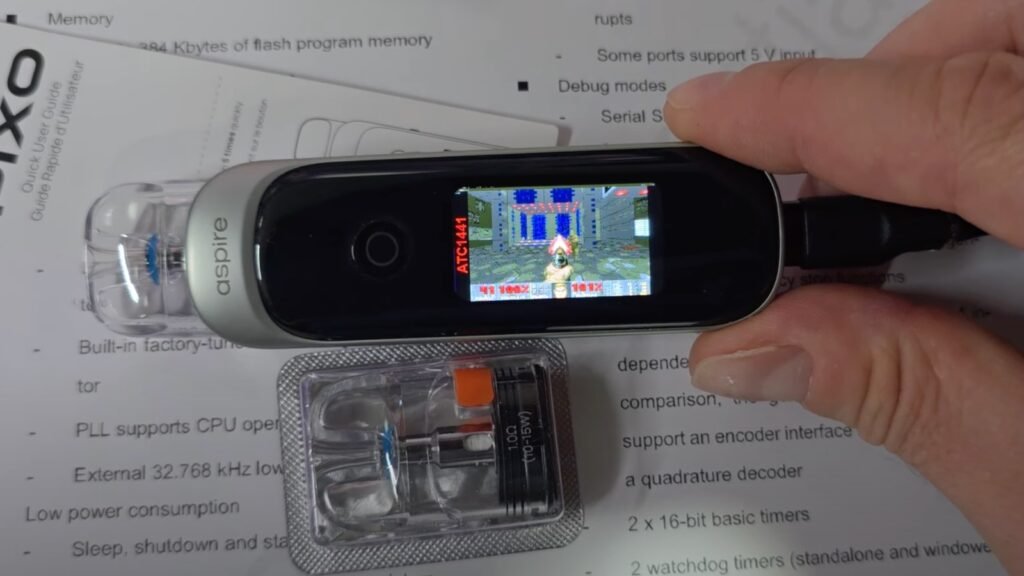
But beyond its novelty, the cartridge album microtrend is unexpectedly prosocial. A lot of these physical releases are made by DIY communities — programmers, graphic designers, visual artists, and musicians — who probably wouldn’t team up otherwise. And quite a few of these artists, like c h point, often choose to donate all profits.
Similarly, since these cartridges don’t need to be mass-produced like vinyl, they allow smaller artists to venture into the world of physical releases without taking on too much of a financial risk. There’s also a general culture of uplifting smaller artists in these communities. For example, pre-hiatus OasisLtd. stuck to platforming albums by artists who had very few listeners on streaming platforms.
I really don’t blame anyone who’s still attached to streaming. Convenience is really, really nice sometimes! But introducing little inconveniences like cartridge albums into your life makes media consumption more intentional, ethical, and meaningful. Friction every once in a while is good. And, above all else, popping a cartridge album into a console is a really beautiful reminder of what it felt like to be a 12-year-old going through all the steps of downloading a song you really cared about onto your shiny new DS.